The Czech half of the programme
Dvořák and Smetana at midday
Smetana's Vltava and Dvořák's waltz sit beside Vivaldi and Mozart in the published Lobkowicz programmes. Here is who they were and why they belong.
Hold a seat in the palace hall ↗Quick answer
The published programmes for the Lobkowicz midday concert pair Baroque and classical favourites with Czech music of the 19th century. Smetana, born in 1824, wrote Vltava in 1874. Dvořák, born in 1841 in Nelahozeves, where the Lobkowicz Collections now run a castle, wrote the waltzes and romantic pieces. Neither is guaranteed on your date, because the programme varies from day to day.
Why Czech composers are in the programme
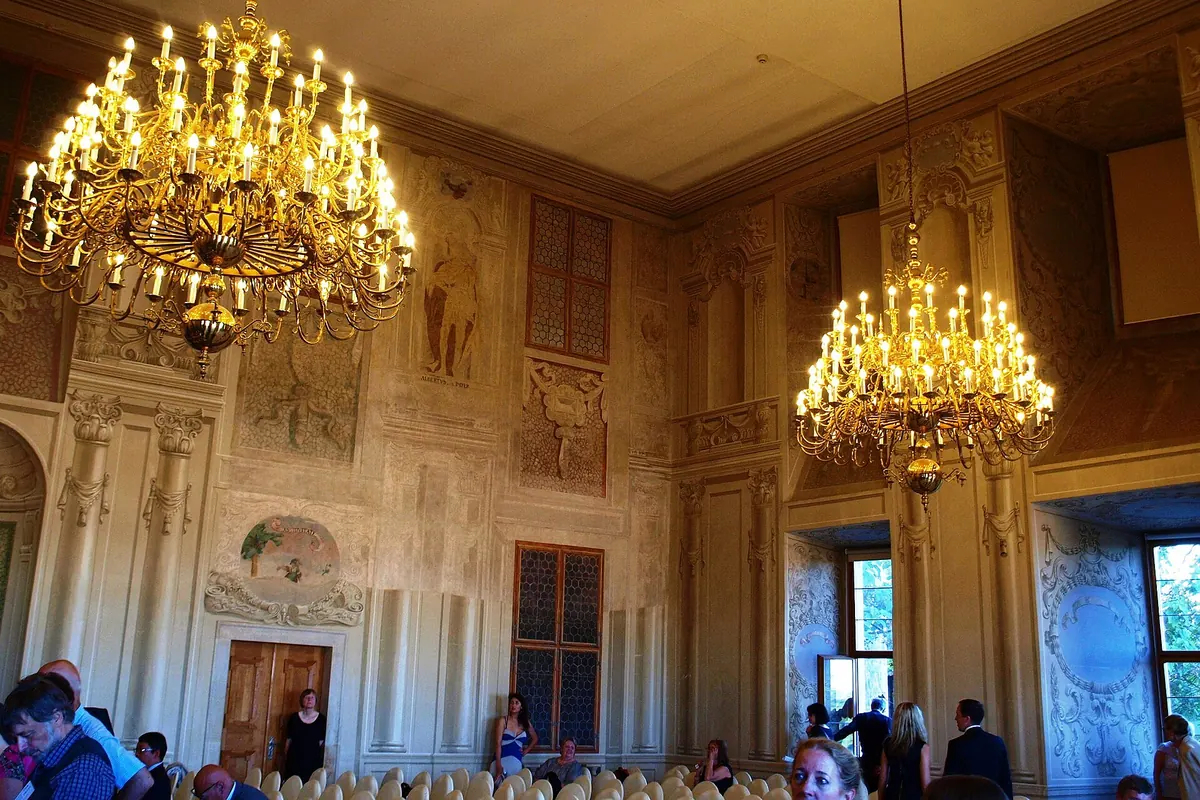
The booking page says the programme varies from day to day but always includes solo and ensemble pieces by Baroque composers such as Bach and Vivaldi, alongside great 19th-century Czech composers, including Dvořák and Smetana. In a Prague palace that is a natural pairing: a Baroque hall, and Czech music that belongs to the city. The palace's own site lists Dvořák's Valse and Romantic Piece and Smetana's Vltava and Polka in its sample.
Smetana, the father of Czech music
Bedřich Smetana was born on 2 March 1824 in Litomyšl, Bohemia, and died on 12 May 1884 in Prague. Wikipedia says he is regarded in his homeland as the father of Czech music. He was principal conductor of the Provisional Theatre from 1866 to 1874 and championed Czech opera, and his comic opera The Bartered Bride premiered at that theatre in 1866. He helped lay the foundation stone of the National Theatre in 1868, and his opera Libuše opened the theatre in 1881. Wikipedia adds that the complete Má vlast cycle premiered on 5 November 1882, after the first two parts had been played in Prague in 1875.
Vltava, the river in music
Vltava, or The Moldau, is the cycle's second tone poem among six: Smetana began Má vlast in 1872. Wikipedia gives its composition as 20 November to 8 December 1874 and its premiere as 4 April 1875, conducted by Adolf Čech. It is in E minor and lasts about 13 minutes. It follows the river Vltava from its two springs to its meeting with the Elbe. It is the best-known poem in the cycle and is often played on its own, which is why it appears in a one-hour programme.
Dvořák, from Nelahozeves to New York
Dvořák's birth came on 8 September 1841, in Nelahozeves close to Prague. He studied at the Prague Organ School from 1857, played viola in the Provisional Theatre orchestra, and became director of the Prague Conservatory in November 1901. He wrote his Ninth Symphony, From the New World, between January and May 1893 while he was in New York. The booking page's sample programme names its Largo, the second movement, while the palace's page names a waltz and a romantic piece. His Slavonic Dances, Op. 46, were submitted in 1878 after Brahms recommended him to his publisher, and were an immediate success. He died in Prague on 1 May 1904.
The Lobkowicz link to Dvořák
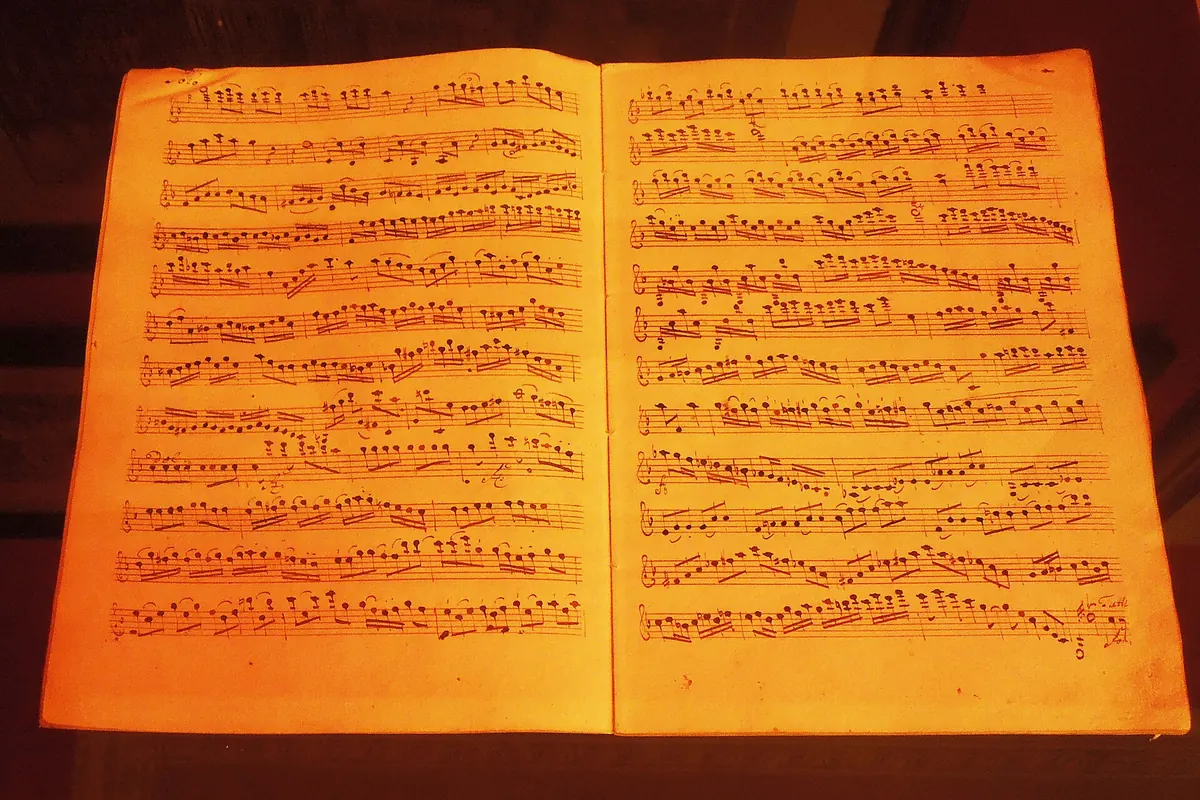
Nelahozeves is also where the Lobkowicz Collections run Nelahozeves Castle. The family's own timeline says the renovated Antonín Dvořák Birth House opened in 2024 as a museum and international musical heritage site. So the Dvořák in a Lobkowicz Palace programme is not an accident of fashion: the same organisation looks after the house where he was born. The programme at the palace is a small sample of that wider musical heritage, which the family describes in terms of patrons, collectors, performers and composers.
How to listen
You need no preparation for a one-hour concert, but a little context helps. Vltava tells its story through the river, from two springs to the Elbe, so you can follow it without a score. If a piece catches your ear, the concert is a short introduction to full works that you can find in recordings. The museum next door explains why the room exists and who filled it with music. The booking page's sample programme also names Mendelssohn's A Midsummer Night's Dream, so the Czech works sit among other 19th-century pieces.
Frequently asked questions
Will I hear Vltava?
Both published programmes list Smetana's Vltava, but programmes vary by day, so it is not guaranteed.
Who was Smetana?
A Czech composer, born in 1824 and died in 1884, regarded as the father of Czech music.
Why is Dvořák connected to the Lobkowiczes?
He was born in Nelahozeves, where the Lobkowicz Collections run a castle and, since 2024, the Dvořák Birth House museum.
Is the New World Symphony played?
The booking page's sample programme names its Largo, but programmes change by day.
Sources